
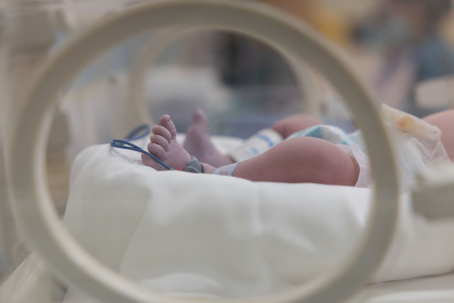
The moments following a baby’s birth are often filled with excitement, relief, and anticipation. Parents naturally focus on their newborn’s appearance, first cries, and initial interactions. While many babies transition smoothly into life outside the womb, some experience complications that require immediate medical attention. One serious condition that can occur around the time of birth is hypoxic-ischemic encephalopathy, commonly known as HIE.
HIE occurs when a baby’s brain does not receive enough oxygen and blood flow before, during, or shortly after delivery. The severity of the condition can vary, and early recognition of potential warning signs is often critical to ensuring a child receives prompt evaluation and treatment. Understanding the symptoms that may be associated with HIE can help parents advocate for their child’s health and seek answers when concerns arise.
Understanding Hypoxic-Ischemic Encephalopathy
Hypoxic-ischemic encephalopathy is a type of brain injury caused by oxygen deprivation and reduced blood circulation. Because the brain relies on a continuous supply of oxygen-rich blood, even a brief interruption can potentially lead to complications.
HIE can develop for a variety of reasons. In some cases, issues arise during pregnancy. In others, complications occur during labor and delivery, such as problems involving the umbilical cord, placental issues, prolonged labor, or signs of fetal distress that require immediate medical intervention.
Not every child with HIE will experience the same symptoms. Some signs may appear immediately after birth, while others may become more noticeable in the days or weeks that follow.
Difficulty Breathing After Birth
One of the earliest indicators that a newborn may have experienced oxygen deprivation is difficulty breathing. Babies affected by HIE may require assistance to establish normal breathing patterns immediately after delivery.
Parents may learn that their baby needs resuscitation, oxygen support, or admission to a neonatal intensive care unit shortly after birth. While breathing difficulties can occur for various reasons, they are often among the first signs that healthcare providers investigate when evaluating potential birth-related complications.
Low Muscle Tone or Unusual Floppiness
Healthy newborns typically demonstrate some muscle movement and resistance when handled. Babies affected by HIE may appear unusually limp or floppy, a condition sometimes called low muscle tone.
Parents may notice that their baby seems less responsive than expected or that their arms and legs are not moving normally. In some situations, muscle tone may be significantly reduced, making it difficult for the infant to maintain normal posture or movement.
Feeding Challenges
Feeding is an important indicator of a newborn’s overall health. Babies who have experienced oxygen deprivation may have trouble coordinating the sucking and swallowing motions necessary for feeding.
Possible feeding-related concerns include:
- Difficulty latching
- Weak sucking reflex
- Poor feeding endurance
- Frequent choking during feeding
- Inability to complete feedings
While feeding difficulties do not automatically indicate HIE, persistent problems may warrant further medical evaluation.
Seizures in Newborns
Seizures are among the more serious warning signs of HIE. Newborn seizures may not always resemble the dramatic episodes people commonly associate with older children or adults.
Instead, parents may observe:
- Repetitive jerking movements
- Lip smacking
- Eye fluttering
- Staring spells
- Sudden stiffness
- Unusual repetitive motions
Because newborn seizures can be subtle, they are sometimes difficult to recognize without medical training. Any concerning movements should be promptly reported to healthcare providers.
Changes in Alertness and Responsiveness
Newborns naturally spend a great deal of time sleeping, but babies with HIE may exhibit unusual patterns of alertness.
Some infants may appear excessively sleepy and difficult to wake. Others may seem unusually irritable or inconsolable. Changes in responsiveness, including reduced interaction with caregivers or diminished reactions to touch and sound, can sometimes indicate underlying neurological concerns.
Abnormal Reflexes
Healthcare providers routinely assess newborn reflexes after birth. Certain reflexes help doctors evaluate how a baby’s nervous system is functioning.
Babies with HIE may demonstrate:
- Weak reflexes
- Absent reflexes
- Exaggerated reflex responses
- Difficulty coordinating movements
Abnormal neurological findings often prompt additional testing to determine whether brain injury may have occurred.
Developmental Concerns That May Appear Later
In some cases, the effects of HIE are not immediately obvious. Certain developmental challenges may emerge as a child grows and reaches important milestones.
Parents may later notice:
- Delays in rolling over, sitting, or crawling
- Difficulty with muscle control
- Coordination problems
- Speech or communication delays
- Learning challenges
Early intervention services and ongoing medical care can play an important role in supporting children affected by HIE.
Why Early Diagnosis Matters
Prompt diagnosis can be critical when HIE is suspected. Medical teams may use physical examinations, brain imaging studies, blood tests, and neurological assessments to evaluate a newborn’s condition.
Early treatment and monitoring may help healthcare providers better manage complications and improve long-term outcomes. For families, obtaining answers about what occurred during labor, delivery, or immediately after birth can also be an important step toward understanding their child’s needs.
Understanding Your Legal Options After a Birth Injury
Learning that a child may have suffered a birth-related brain injury can leave families with many questions. Parents often wonder whether warning signs were recognized, whether appropriate medical intervention occurred, and whether the injury could have been prevented.
Birth Injury Lawyers
If your child has been diagnosed with HIE and you believe medical negligence may have contributed to the injury, contact James Wood Law at (888) 579-3866. Our team can review your situation, answer your questions, and help you understand the legal options available to your family.