
Childbirth does not always follow the plan a family imagined. A delivery may become complicated, labor may stall, or the baby’s condition may raise concerns that require the medical team to act quickly.
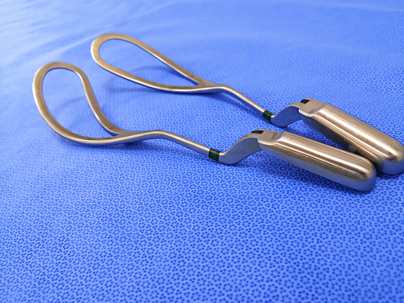
In some deliveries, doctors may use an assisted vaginal delivery involving forceps or a vacuum extractor. These tools can sometimes be appropriate medical interventions. But their use also requires careful judgment, appropriate technique, and consideration of the circumstances surrounding the mother and baby.
When a child suffers a serious injury during or shortly after an assisted delivery, parents may wonder whether the use of an instrument played a role.
The answer requires more than knowing that forceps or a vacuum extractor were used. Birth injuries can have multiple causes, and an instrument-assisted delivery does not automatically indicate negligence. A meaningful evaluation requires examining why the instrument was used, how it was used, what happened before the procedure, and what happened afterward.
Why Are Forceps and Vacuum Extractors Used?
Forceps and vacuum extractors are forms of assisted vaginal delivery. A physician may consider an assisted delivery when labor is not progressing as expected, when the mother is having difficulty pushing, or when there are concerns about the baby’s condition and delivery needs to occur more quickly.
The circumstances surrounding the decision are important.
The medical team must consider factors such as the baby’s position, the stage of labor, the mother’s condition, and whether assisted vaginal delivery is appropriate under the circumstances.
If an assisted delivery is attempted, the medical record may contain information about the reason for the procedure, the baby’s position, the number of attempts, and the outcome.
These details can become important when investigating a suspected birth injury.
What Types of Injuries Can Occur During Instrument-Assisted Delivery?
A difficult delivery can result in various injuries. Some may be temporary, while others can have lasting consequences.
The firm’s Phoenix birth-injury materials identify several injuries associated with improper use of delivery equipment, including physical trauma and injuries involving the head, face, nerves, and other structures. (James Wood Law)
A baby may experience bruising or other physical trauma during delivery. In more serious circumstances, complications may involve bleeding or neurological injury.
The presence of an injury alone, however, does not establish that the healthcare provider caused it through negligence.
The relevant question is whether the injury resulted from care that fell below the applicable standard and whether that failure caused or contributed to the child’s harm.
Can an Assisted Delivery Be Connected to a Brain Injury?
A brain injury associated with birth may have different potential causes.
For example, an infant may suffer brain injury because of inadequate oxygen or blood flow. HIE is one type of neonatal brain injury associated with oxygen deprivation and reduced blood flow. (James Wood Law)
Other birth-related complications can involve physical trauma.
This is why it can be misleading to look at the use of forceps or a vacuum extractor in isolation.
An investigation may need to examine what was happening before the instrument was used. Was the baby already showing signs of distress? Was labor prolonged? Was there a reason to believe the baby needed to be delivered more quickly? Were there unsuccessful attempts before the procedure? Was a different delivery method more appropriate under the circumstances?
Those questions can help establish whether the instrument was part of the problem, a response to an existing emergency, or unrelated to the child’s eventual injury.
What Does Improper Use Mean?
“Improper use” can mean different things depending on the circumstances.
An instrument-assisted delivery may raise concerns if the procedure was attempted when it was not appropriate, if required conditions were not met, if excessive force was used, if repeated attempts created additional risk, or if the medical team failed to recognize that the procedure was not succeeding.
The details matter.
A medical expert may need to evaluate the baby’s position, the timing of the procedure, the number of attempts, the technique used, the mother’s and baby’s condition, and the eventual delivery outcome.
This type of review can be especially important when a newborn develops an unexpected neurological condition or other serious injury.
Could the Decision to Use Forceps or a Vacuum Be Part of a Larger Problem?
Sometimes the central question is not simply whether the instrument was used correctly.
The larger issue may involve the sequence of decisions leading to the assisted delivery.
For example, suppose fetal monitoring raised concerns before an instrument-assisted delivery was attempted. The investigation may need to determine whether those warning signs were recognized and whether the medical team selected the appropriate delivery method.
Similarly, if an assisted vaginal delivery was attempted multiple times without success, the timing of a subsequent decision to proceed with another form of delivery may become relevant.
A birth injury case often involves a timeline rather than a single moment.
That timeline can include prenatal care, labor progression, fetal monitoring, medications, decisions about delivery, the instrument-assisted procedure, newborn stabilization, and subsequent neonatal treatment.
What Records May Help Explain What Happened?
Medical records can provide a much clearer picture than a family’s recollection of a stressful delivery.
Depending on the circumstances, an investigation may involve reviewing prenatal records, fetal monitoring strips, nursing notes, physician notes, medication records, delivery documentation, operative reports, newborn assessments, imaging, and NICU records.
The purpose is not simply to collect documents. The records need to be understood in relation to one another.
For example, a note written after delivery may describe the baby’s condition, while fetal monitoring may show what was happening earlier. Medication records may provide additional information about the course of labor. A neonatal record may document symptoms that were not immediately obvious in the delivery room.
Putting those pieces together can help establish what happened and when.
What If the Child Later Develops Cerebral Palsy?
Some children who experience a serious brain injury around birth may later be diagnosed with cerebral palsy. However, cerebral palsy has multiple possible causes, and its presence does not by itself establish that an assisted delivery caused the condition.
The firm’s HIE materials note that HIE and cerebral palsy can coexist and that a child’s medical history may warrant consideration of both conditions when evaluating a potential claim. (James Wood Law)
For parents, this can make the diagnostic process especially difficult.
A child may initially have an unclear diagnosis. Developmental differences may become more noticeable over time. Parents may eventually begin asking whether something happened during pregnancy or delivery that contributed to their child’s condition.
Those questions deserve an evidence-based review rather than an assumption about the cause of the injury.
What Could a Birth Injury Claim Potentially Address?
When medical negligence contributes to a child’s injury, a claim may seek damages associated with the child’s medical and developmental needs.
Depending on the circumstances, damages may involve medical treatment, therapy, adaptive equipment, specialized education, home modifications, long-term care, and other services. Parents may also incur financial losses if caring for an injured child requires them to reduce their work hours or leave their jobs.
The appropriate damages depend on the individual circumstances and the applicable law.
The objective is not to put a price on a child. It is to pursue resources that may help address the consequences of a serious injury and the child’s future needs.
What Should New Mexico Parents Do If They Have Concerns About an Assisted Delivery?
If your child experienced a serious injury after a forceps- or vacuum-assisted delivery, you may have questions that cannot be answered by the discharge paperwork alone.
You may want to understand why the instrument was used, whether the procedure was appropriate, whether there were complications during the attempt, and whether another delivery method should have been considered.
A medical malpractice attorney can help investigate those questions by reviewing the available records and consulting appropriate medical professionals when necessary.
James Wood Law represents families dealing with serious birth injuries and medical malpractice concerns. If you believe the care provided during your New Mexico delivery may have contributed to your child’s injury, contact James Wood Law at (888) 579-3866 to discuss your circumstances and learn more about your legal options.
This article is intended for general informational purposes and does not constitute legal advice or create an attorney-client relationship.